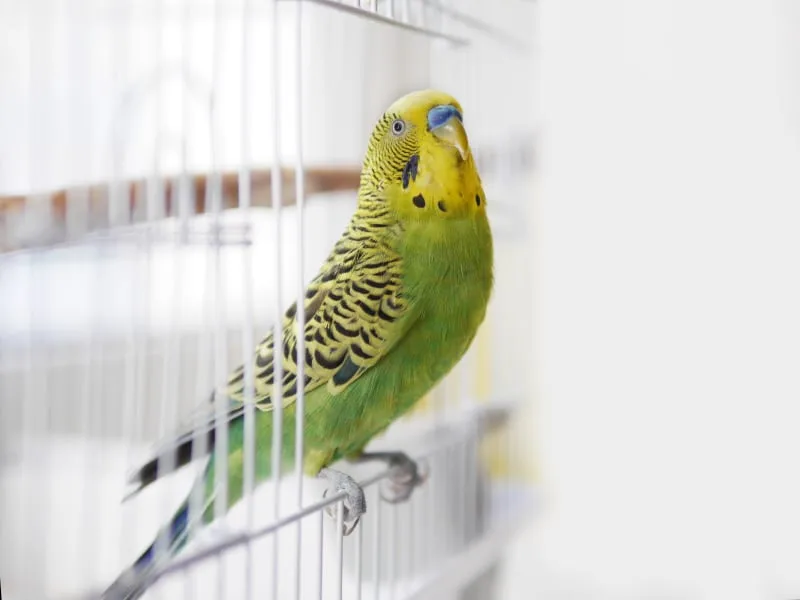
If you own a bird, you know that they provide their owners with hours of entertainment and companionship, but what happens if they are feeling sick? Our Dallas vets talk about what it looks like when your bird is sick and how to recognize if they might need veterinary care.
Is My Bird Sick?
Birds are sensitive and intelligent creatures, they are also creatures of habit. While they will try to hide any symptoms, if you pay close attention to their daily activities, behavior, and general attitude you can spot telltale signs. The main thing is to trust your gut. If you suspect something is off with your bird, it's better to speak to your vet before things get worse.
How to tell if your bird is sick
Not every sick bird will show symptoms of sickness, but those that do can be quickly recognized. A healthy bird looks clean, often looking just like it would in a field guide or nature photograph. Its feathers will be properly in place, its posture alert, and its eyes clear and focused. Sick birds, however, may show several symptoms such as:
Dull, unfocused eyes
Visible injuries, lesions, or wounds
Weight loss
Swollen eyes
Discolored, undigested, or runny poop
Wet or crusty eye, mouth, or nasal discharge
Dirty or matted feathers
Fluffed or messy feathers
Missing feathers
Lack of appetite
While physical appearance can be a clear indication of illness, it can be difficult to see symptoms in small birds, and some birds may not exhibit physical symptoms at all. In these cases, the bird’s behavior is a better way to gauge its health.
What to do if your bird is sick
If your bird is exhibiting signs of illness there are a number of things you can do to help your avian friend start to feel better. Here our vets have detailed the most common things to try.
Keep them warm
Your bird will likely recover faster if you raise the temperature of their environment a bit. Typically a bird's environment should stay around 75 to 80 degrees, and when they are sick they should be kept at the higher end of that spectrum. The added temperature helps to stimulate appetite, improves digestion, and stimulates the body's defenses to fight infections.
Make sure they are eating and drinking
Just like us, our pets need the extra calories to help their bodies recover. Without proper nutrition and fluids, sick birds will not get better. If your bird is not eating or drinking as they should, contact your veterinarian immediately.
Separate the sick birds
Any birds who are sick should be isolated from any other birds or pets in the household. This will not only help limit the spread of any illness, but it will also allow you to monitor your bird more effectively.
Avoid stress
Sick birds are already under an excessive amount of stress. While it is tempting to want to play with your bird and allow him to come out of his cage to walk or fly around, cage rest is often more beneficial while your bird is recovering.
Avoid sudden diet or environmental changes while your bird is sick. Try to avoid the temptation to stay up all hours of the night with your bird, as they need their rest, and so do you.
Don't change their sleep pattern
While healthy pet birds typically adapt to their owners’ sleep schedules, most become accustomed to approximately 12 hours of light and 12 hours of darkness each day. Many bird owners, however, leave a light on their sick pets all the time so that they can see them better. Leaving the light on 24 hours a day may make it hard for him to sleep and may add to your bird's stress during recovery. If your bird is ill, do not change his normal day/light cycle.
When to take your bird to the vet
While sick birds can occasionally be treated by their owners at home, any bird showing signs of illness should be examined by a veterinarian. Birds that are gravely ill will require hospitalization, while those that are still eating or that are only mildly affected may be treated by their owners under their veterinarian’s direction.
Is my bird dying?
Unfortunately, once birds become seriously ill, they can start sinking fast. Common signs of a bird who is dying include:
Not eating or drinking
Wheezing and struggling for breath
Constantly puffing the feathers
Shedding feathers, exposing dry skin
Swollen, discolored, or streaming eyes and ears
Shivering, as though struggling to stay warm
Blood in the feces
Lack of movement or verbalization
If you notice any of these signs, contact your vet for advice. Your vet will do everything they can to try to save your bird's life.
How to comfort your dying bird
Unfortunately, like all living creatures, even the longest-lived parrots will eventually succumb to illness and old age. During its remaining hours, your bird may feel scared and afraid. If your vet has tried everything to save your bird's life but it is determined that they will not be with you for much longer, there are a number of ways you can comfort your bird during its last few days or weeks. Here are some things you can try.
Separate your sick bird from other birds
Avoid anxiety and stress triggers
Keep the bird in a calm state
Ignore negative behaviors
Wrap the bird in a soft blanket
Maintain a comfortable room temperature
Additional out-of-cage time
Dim the lights in the room
Keep your bird occupied
Assist with eating and drinking
It's undoubtedly a difficult time when you realize that your birds life is coming to an end. Despite that, you’ll need to put aside your own grief temporarily as your bird needs your care and attention at this difficult time. If you learn how to comfort a dying bird, you’ll be able to provide the same tenderness and empathy in death that you have throughout its life.
If you have a bird in need of veterinary care, our Dallas team of veterinary professionals are trained in caring for birds and other exotic pets. Contact us at North Tollway Pet Hospital today.